
free shipping at $99


In our fast-paced world, a good night's sleep often feels like a luxury rather than a necessity. Tossing and turning, watching the clock, and waking up groggy can disrupt everything from your mood to your productivity. While prescription aids have their place, many are searching for gentler, more sustainable solutions to reclaim their rest. If you're tired of counting sheep and ready for a real change, exploring natural remedies for better sleep is a powerful first step toward transforming your nights.
This comprehensive guide is designed to move beyond generic advice. We will explore a curated list of effective, science-supported options, from potent herbal extracts like valerian root and passionflower to essential minerals such as magnesium. You'll discover not just what to try, but precisely how to incorporate these remedies into your life for maximum benefit. We provide actionable strategies, specific dosage insights, and tips for creating calming pre-sleep rituals. Prepare to build a personalized toolkit that addresses the root causes of your sleep troubles, helping you achieve the deep, restorative slumber you deserve without relying on harsh chemicals. Your journey to restful nights starts now.
Melatonin is a naturally occurring hormone produced by your brain's pineal gland that governs your sleep-wake cycle. Often called the "sleep hormone," its release is triggered by darkness, signaling to your body that it's time to wind down and prepare for rest. As a dietary supplement, melatonin is one of the most studied and widely used natural remedies for better sleep, helping to reset the body's internal clock.

This supplement is particularly effective for circumstantial sleep issues. For instance, flight attendants and frequent travelers often use 3mg doses to combat jet lag, while shift workers might take 1-2mg to adjust their sleep schedules after a disruptive work week. It's also beneficial for older adults whose natural melatonin production may have declined.
To get the most out of melatonin supplementation, timing and dosage are key. Following a structured approach ensures you are supporting your body's natural rhythm rather than disrupting it.
While focusing on internal remedies like melatonin is important, it's also crucial to manage external factors that interfere with your body's own production. For example, exposure to artificial light at night can suppress melatonin release. You can learn more about mitigating this by using blue light glasses to enhance rest and sleep quality.
Valerian root is a powerful herbal supplement derived from the Valeriana officinalis plant, an herb used for centuries as a natural sedative and anti-anxiety remedy. It is believed to work by increasing the brain's levels of gamma-aminobutyric acid (GABA), a neurotransmitter that has a calming effect on the nervous system. Compounds like valerenic acid and isovaleric acid contribute to its ability to promote relaxation and reduce the time it takes to fall asleep.
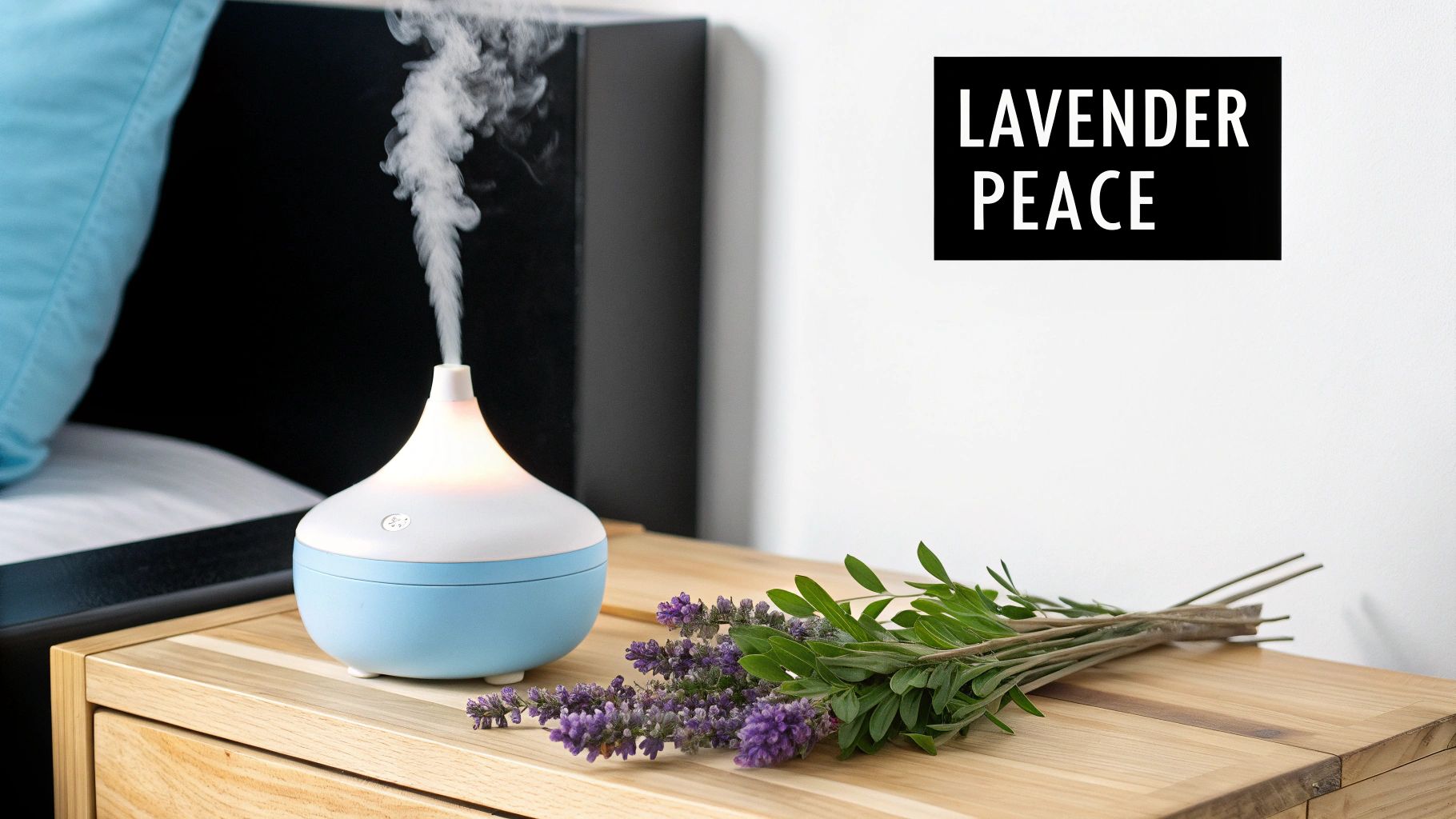
This potent herb has a long history of use in traditional German and Scandinavian folk medicine as a sleep aid. Modern European studies have validated this traditional use, showing that doses between 400-900mg can significantly improve sleep quality without the “hangover” effect associated with some sleep medications. Herbalists often recommend it as a primary ingredient in bedtime tea blends for those struggling with insomnia related to stress and anxiety.
To harness the benefits of this traditional remedy, it's important to use it correctly. Proper dosage, timing, and product selection are crucial for achieving the desired calming effect and making it one of the most reliable natural remedies for better sleep.
Valerian root is an excellent option for individuals whose sleep problems are tied to nervousness or restlessness. By calming the mind and body, it creates the ideal conditions for a peaceful transition into deep, restorative sleep.
Chamomile is a gentle, daisy-like herb that has been used for centuries as one of the most popular natural remedies for better sleep. Its sleep-inducing effects are attributed to an antioxidant called apigenin, which binds to specific receptors in the brain to decrease anxiety and initiate sleep. This mild sedative action makes it a safe and effective option for calming the nervous system before bed.
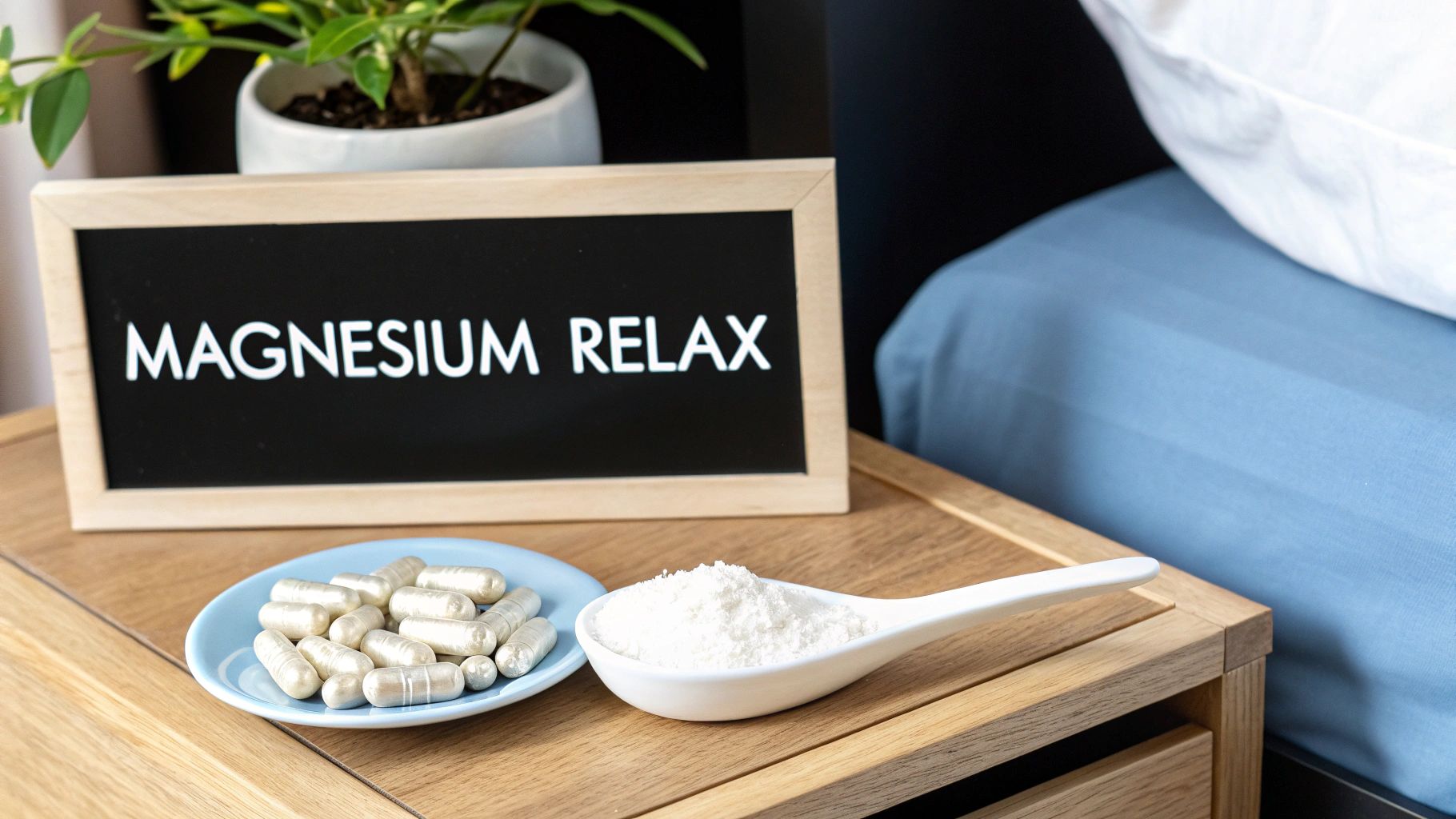
The use of chamomile is widespread and well-documented. For instance, a clinical study showed that participants taking 270mg of chamomile extract twice daily experienced significant improvements in sleep quality. Beyond clinical settings, millions enjoy it as a traditional bedtime tea, a ritual popularized by brands like Celestial Seasonings with their "Sleepytime" blend. It is even gentle enough to be used in pediatric care to soothe restless children.
To fully benefit from chamomile's calming properties, it's best to incorporate it thoughtfully into your evening routine. Proper preparation and timing can enhance its soothing effects.
Magnesium is a vital mineral involved in over 300 biochemical reactions in the human body, including those that regulate sleep. It plays a crucial role in activating the parasympathetic nervous system, the system responsible for helping you feel calm and relaxed. By binding to gamma-aminobutyric acid (GABA) receptors, magnesium helps quiet down nerve activity, preparing both your mind and body for restorative sleep.
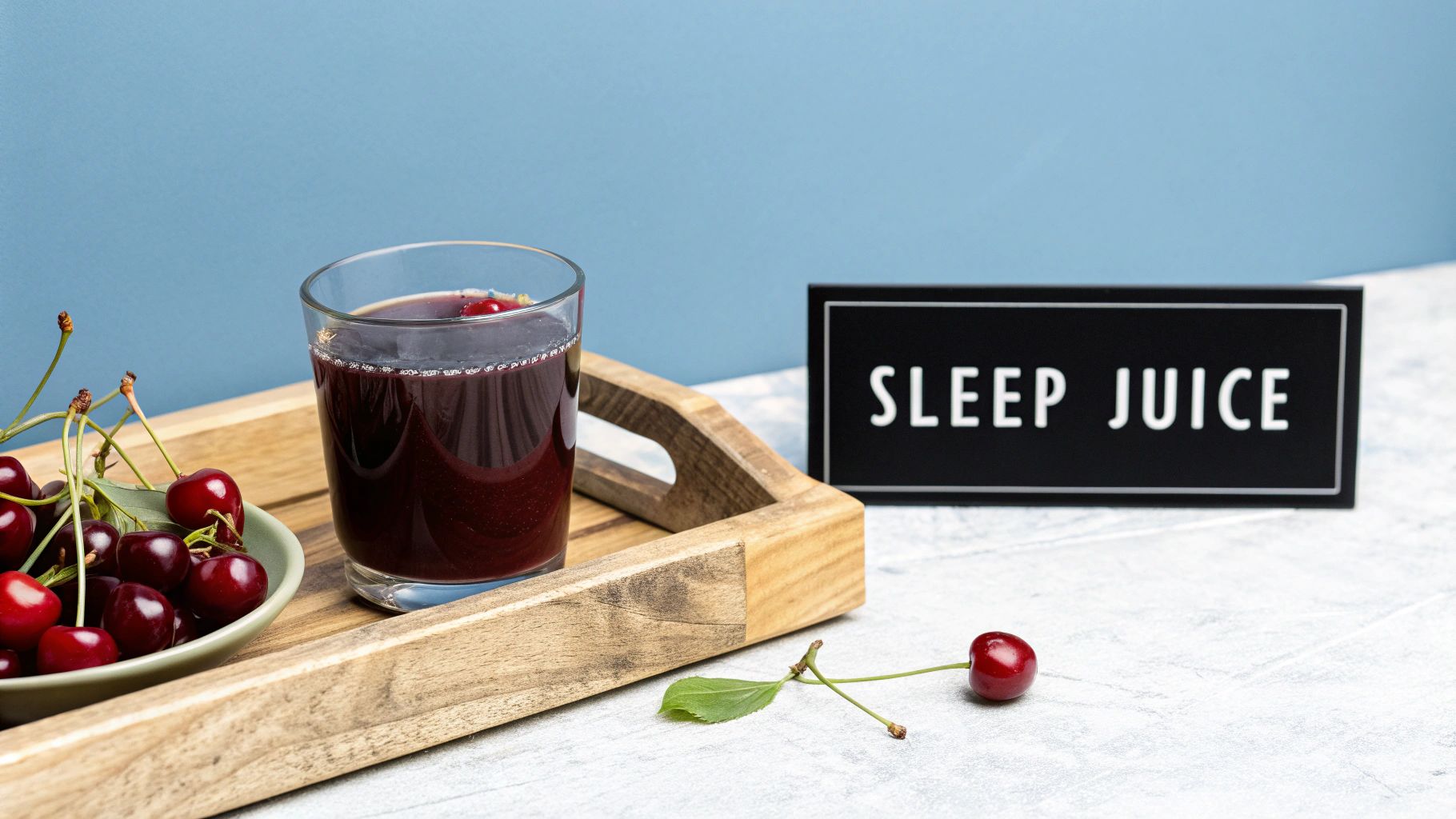
The benefits of magnesium as one of the best natural remedies for better sleep are well-documented. For instance, studies have shown that a daily 500mg dose can significantly improve sleep quality and reduce insomnia symptoms in older adults. It's also popular among athletes to prevent muscle cramps and support recovery, while individuals with restless leg syndrome often find that magnesium supplementation provides substantial relief, allowing for more uninterrupted rest.
To maximize the sleep-promoting benefits of magnesium, it's important to choose the right form and use it correctly. A structured approach can help you avoid potential side effects and achieve the desired calming effect.
Lavender (Lavandula angustifolia) is a fragrant herb celebrated for centuries for its calming and sedative properties. This popular natural remedy for better sleep works through its essential oil, which contains active compounds like linalool and linalyl acetate. These compounds interact with the central nervous system to reduce anxiety, slow the heart rate, and promote a state of deep relaxation conducive to sleep.
The effectiveness of lavender is well-documented in various settings. For instance, numerous hospital studies have shown that patients exposed to lavender aromatherapy report significantly improved sleep quality and reduced anxiety. It's a versatile remedy, commonly found in pillow sprays used for immediate olfactory comfort and in calming teas enjoyed as part of a bedtime ritual.
To harness lavender's full sleep-promoting potential, it's important to use it correctly and consistently. Integrating it into your evening routine can signal to your brain that it's time to unwind.
Beyond simple diffusion, you can learn more about how to create a restful atmosphere with aromatherapy to catch some z's. To further explore how therapeutic touch and scents can contribute to relaxation, consider integrating an aromatherapy massage for relaxation into your wellness routine.
Passionflower (Passiflora incarnata) is a climbing vine whose leaves and stems have been used for centuries as a traditional remedy for anxiety and sleep disturbances. This powerful herb is believed to work by increasing the levels of a chemical messenger called gamma-aminobutyric acid (GABA) in the brain. Higher GABA levels help calm the nervous system, reduce brain activity, and promote relaxation, making it one of the most effective natural remedies for better sleep.
This plant’s sleep-inducing properties have been recognized across cultures and eras. Traditional Cherokee healers have long used it to treat insomnia and anxiety, while European herbal medicine practitioners often prescribe it for nervous tension and sleep disorders. Modern research supports these traditional uses, with an Australian study finding that participants who drank passionflower tea reported significant subjective improvements in their sleep quality compared to a placebo group.
To harness the calming effects of passionflower, it's best to integrate it thoughtfully into your evening routine. Proper preparation and mindful consumption can significantly enhance its benefits for achieving a restful night.
L-Theanine is a unique amino acid found almost exclusively in tea leaves, especially green tea, and is a powerful natural remedy for promoting relaxation without sedation. It works by increasing alpha brain wave activity, which is associated with a state of "wakeful relaxation," similar to what one might experience during meditation. By boosting calming neurotransmitters like GABA, serotonin, and dopamine, L-Theanine helps quiet a racing mind, making it easier to drift off to sleep.
This supplement is particularly effective for individuals who struggle to fall asleep due to stress or anxiety. Unlike traditional sleep aids that induce drowsiness, L-Theanine fosters a state of calm that naturally transitions into sleep. Clinical studies often highlight the benefits of a 200mg dose in improving sleep quality and efficiency, not by forcing sleep, but by reducing the anxiety that prevents it. This is why it's a popular ingredient in sleep formulas, sometimes paired with magnesium or melatonin.
To harness the calming benefits of L-Theanine for better sleep, it’s important to use it correctly. Proper dosage and timing can help you unwind and prepare your mind for a night of deep rest.
Tart cherry juice, particularly from the Montmorency variety, is a potent natural remedy for better sleep due to its unique combination of sleep-promoting compounds. It is a natural source of melatonin, the hormone that regulates your sleep-wake cycle. Beyond melatonin, it also contains tryptophan and powerful antioxidants like anthocyanins, which work together to reduce inflammation and support restorative rest.
This ruby-red beverage has been validated by scientific research as an effective sleep aid. A notable study from Louisiana State University found that adults who drank 8 ounces of tart cherry juice twice daily experienced a significant increase in sleep time and efficiency. Professional athletes also often incorporate it into their routines to enhance sleep and muscle recovery, while older adults have used it to improve overall sleep quality.
To leverage tart cherry juice for better sleep, it's important to choose the right kind and consume it strategically. Following a few simple guidelines will help you maximize its benefits without unwanted side effects like excess sugar intake.
| Sleep Aid | Implementation Complexity 🔄 | Resource Requirements ⚡ | Expected Outcomes ⭐📊 | Ideal Use Cases 💡 | Key Advantages ⭐ |
|---|---|---|---|---|---|
| Melatonin | Low - easy oral supplementation | Low - available as affordable supplements | Fast-acting (30-60 min), resets sleep cycles | Jet lag, shift work, sleep cycle disturbances | Proven efficacy, non-habit forming, well-researched |
| Valerian Root | Medium - requires consistent use (2-4 weeks) | Moderate - capsules, teas, extracts | Improves sleep quality, reduces sleep onset time over weeks | Chronic insomnia, anxiety-related sleep problems | Natural anxiolytic, non-addictive, well-tolerated |
| Chamomile | Low - widely available as tea or capsules | Low - affordable herbal form | Mild sedation, relaxation, helps mild insomnia | Mild sleep issues, children, bedtime ritual | Extremely safe, multi-beneficial (anxiety, digestion) |
| Magnesium | Medium - supplementation or topical use | Moderate - supplements available in various forms | Improves sleep quality by relaxation, may take weeks | Sleep problems linked to deficiency, muscle relaxation | Addresses mineral deficiency, multi-system benefits |
| Lavender | Low - aromatherapy or oral forms | Low - essential oils, teas, topical use | Rapid calming effect via scent; mild sleep improvement | Stress-related sleep issues, anxiety, enhancing sleep environment | Fast-acting aromatherapy, pleasant scent, safe |
| Passionflower | Medium - tea/tinctures, requires dose monitoring | Moderate - herbal supplements or teas | Improves sleep quality, reduces anxiety, mild sedation | Anxiety-related insomnia, benzodiazepine withdrawal support | Clinically supported, gentle, anxiety-reducing |
| L-Theanine | Low - capsules or natural tea leaves | Moderate - purified supplements available | Promotes relaxation without sedation, improves sleep quality | Stress-related sleep difficulties, calm alertness needed | No drowsiness, well-researched, synergistic effects |
| Tart Cherry Juice | Low - drinking juice or supplements | Moderate - juice or concentrate required | Increases sleep time & efficiency, mild improvements | Natural melatonin boost, anti-inflammatory support | Pleasant taste, natural melatonin source, antioxidant-rich |
Embarking on the path to restorative sleep is not about finding a single magic bullet. Instead, it's a deeply personal journey of discovery, learning what your unique body and mind respond to. Throughout this guide, we've explored a variety of powerful, natural remedies for better sleep, from the hormonal support of melatonin to the calming herbal properties of chamomile, lavender, and valerian root. We’ve also uncovered how essential minerals like magnesium and amino acids like L-Theanine can fundamentally shift your ability to relax and stay asleep.
The true power of these solutions is unlocked when you move from simply trying them to intentionally building a consistent, personalized evening ritual. This isn't about adding another task to your to-do list; it's about creating a sacred space in your day dedicated entirely to winding down. Your body and brain thrive on cues, and a predictable routine is the strongest signal you can send that the day's demands are over and it's time for rest.
The key takeaway is that combination and consistency are your greatest allies. A single cup of passionflower tea might be helpful, but integrating it into a multi-sensory experience can be transformative. Consider how you can layer these natural sleep aids to create a powerful, synergistic effect.
Here are some practical combinations to get you started:
Mastering your sleep is one of the most profound acts of self-care you can undertake. It’s the foundation upon which your energy, mood, cognitive function, and overall health are built. By embracing these natural remedies for better sleep, you are not just chasing a good night's rest; you are investing in brighter, more productive, and more joyful days.
Be patient with yourself as you experiment. Listen to your body, notice what feels calming, and don't be afraid to adjust your routine. The goal is to curate a ritual that you genuinely look forward to, a peaceful endcap to your day that makes deep, restorative sleep an achievable reality.
Ready to elevate your sleep ritual with the calming power of scent? Explore the beautiful, fragrant candles from Jackpot Candles, each containing a surprise piece of jewelry to make your wind-down routine even more special. Discover your perfect scent and create a truly luxurious bedtime experience at Jackpot Candles.
Comments will be approved before showing up.