
free shipping at $99


You've just opened a candle that looks like an ordinary gift. The fragrance starts to fill the room, the wick settles into a steady flame, and somewhere inside the wax is a wrapped ring you can't see yet. For a first-time buyer, that combination can feel part home fragrance, part countdown, and part mystery box.
A ring in the candle is usually a scented soy, soy-blend, or paraffin candle containing one hidden piece of jewelry, commonly protected inside a small plastic or foil pouch. The jewelry may be a modest fashion ring or a higher-value piece, with product claims varying by brand. The candle still needs to provide an enjoyable scent and a reliable burn, because the ring is a bonus, not a substitute for a well-made home-fragrance product.
The category also sits within a substantial consumer market. One estimate places the global candle market at about USD 14.77 billion in 2025, with a projection of roughly USD 25.44 billion by 2033, equivalent to a 7.3% compound annual growth rate over that forecast period (Ringly's candle industry overview). Another market analysis estimates the category at around USD 10.45 billion in 2024, forecasting approximately USD 13.19 billion by 2030, while reporting that North America held more than 32% of global candle-market share in 2025 (Research and Markets candle market report).
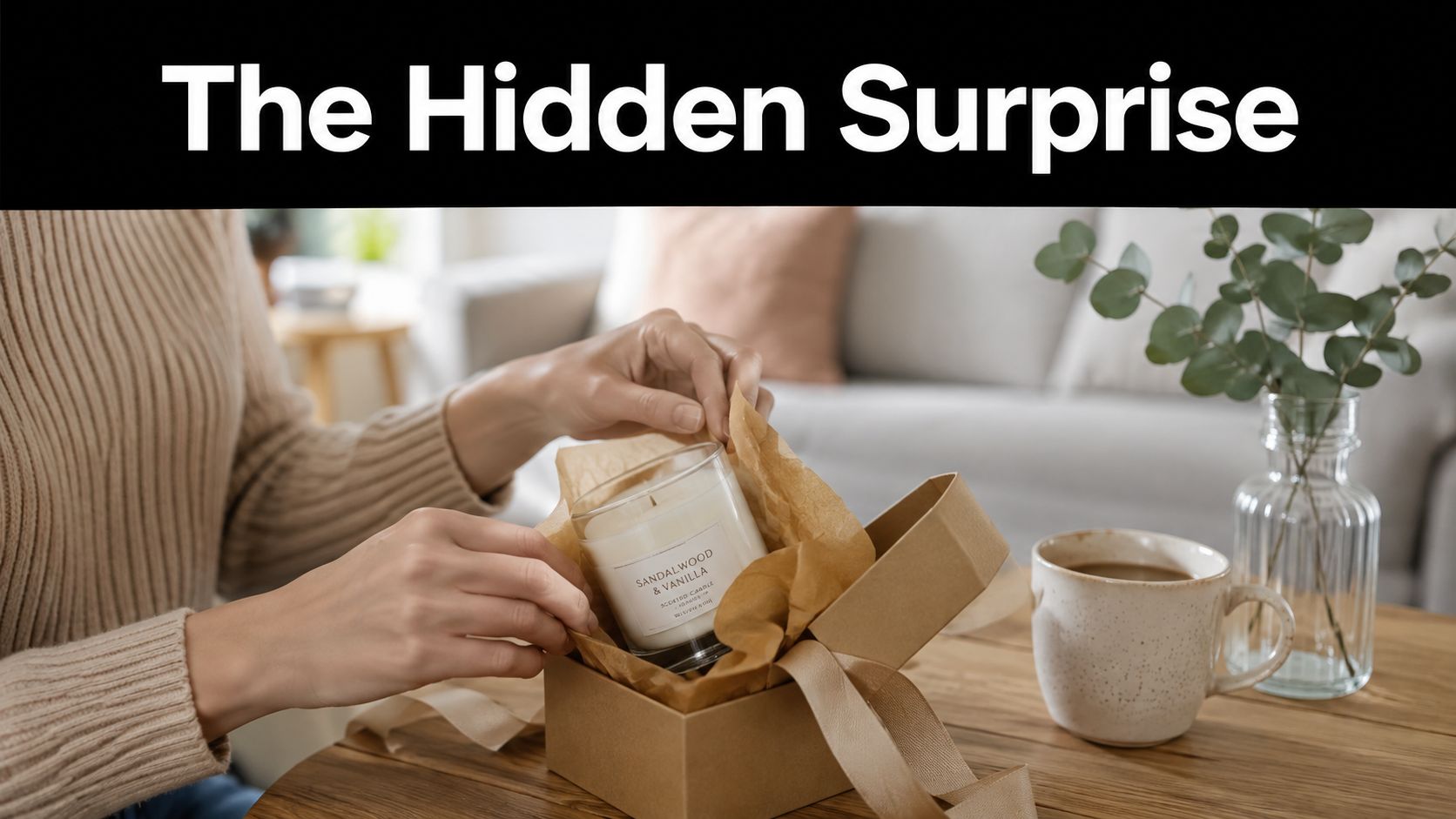
The most useful way to understand this product is to separate the experience into three parts. The candle provides fragrance and atmosphere. The waiting period creates anticipation. The ring supplies the reveal. If one part is weak, the entire purchase feels disappointing, even if the jewelry is technically present.
Consider a buyer who lights a sandalwood and vanilla candle during a quiet evening. They aren't only waiting to see a ring. They're also judging whether the scent is pleasant, whether the flame behaves properly, and whether the wax melts evenly enough to make the reveal practical. A strong product has to work as a candle before it becomes a jewelry surprise.
The hidden item is normally enclosed in a protective pouch. Depending on the manufacturer, that may be a heat-sealed plastic sleeve, foil packet, or another sealed covering designed to reduce direct contact between the ring, wax, fragrance oils, flame, and soot. The package should make the object easier to retrieve, but it doesn't remove the need for careful burning.
A product page may emphasize the possibility of finding a valuable ring, yet the purchase remains a combined fragrance and entertainment product. The retail value assigned to the ring can differ from its resale value, and plated fashion jewelry may have little value beyond wearing it and enjoying the reveal.
That distinction helps prevent the most common misunderstanding. You aren't buying a guaranteed high-value ring at the candle's price. You're buying a candle with a concealed jewelry item whose value depends on the brand's disclosed system, materials, verification process, and prize distribution.
The surprise doesn't have to be treated like gambling-style excitement. Many buyers enjoy the slower ritual, the gift presentation, and the chance to receive something wearable after the candle has served its purpose. The format also fits naturally into birthdays, holidays, self-care routines, and small celebrations.
Before buying, check how the ring is protected, how the reveal works, what information accompanies the jewelry, and what the brand says about burn safety. Those details tell you far more about the product than a dramatic top-prize photograph.
A hidden ring doesn't get tossed randomly into a jar of liquid wax. Manufacturers generally use a planned placement process so the jewelry stays protected and the customer can retrieve it without putting their hands near an active flame.
A jeweler or supplier first sources the ring. The selection can include plated fashion pieces, base-metal designs, sterling silver, gold, gemstones, or other materials, depending on the product line. The ring is then placed inside a protective covering, such as a sealed plastic sleeve, foil pouch, or net bag with a closure.
The wrapping has two jobs. It keeps wax and fragrance oils away from the jewelry, and it creates a visible barrier that tells the customer when to stop burning. Foil can also shield the ring from direct exposure to heat, soot, and the flame, although a pouch isn't a reason to continue burning once it becomes exposed.
The candle maker positions the wick and pours wax into the vessel in stages. Some manufacturing methods leave a central or lower channel, while others place the pouch after part of the wax has cooled and then cover it with additional wax. The exact process differs by brand, but the objective is consistent: suspend one wrapped ring inside the candle where it can be reached later.
A ring shouldn't be loose in the wax. Loose placement could move the object toward the wick, interfere with the flame, or make retrieval unpredictable. Reputable instructions explain where the pouch appears and what the customer should do when it becomes visible.
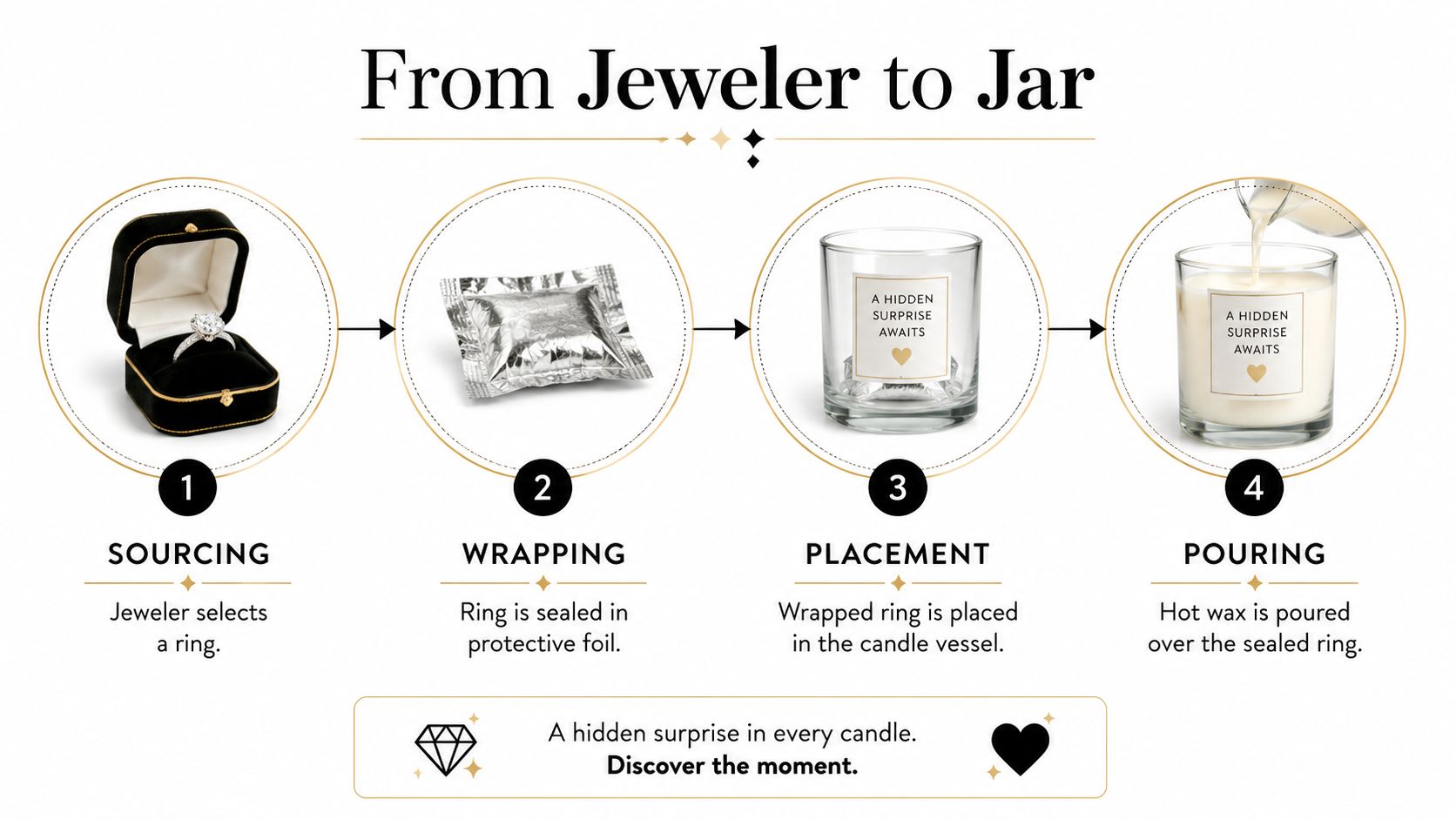
Once the pouch is in position, more wax surrounds it and hardens. From the outside, the candle looks normal. The wick remains the visible operating part, while the pouch stays hidden below the surface or inside the vessel wall.
Some brands use an additional reveal wick or another design feature to help the pouch rise as the surrounding wax melts. Others expect the buyer to stop burning when the pouch is exposed. Don't assume every candle uses the same mechanism. The printed instructions should take priority over general advice.
For a closer look at the production concept, Jackpot Candles provides an explanation of how candles with jewelry inside are made. The key point is simple: the ring is sealed, positioned, and covered, rather than scattered through the wax.
As the candle burns downward, the melt pool eventually approaches the wrapped jewelry. The customer should extinguish the flame before the pouch is exposed to direct heat or begins touching the active melt pool. After the wax cools enough to handle safely, the pouch can be removed and opened according to the brand's instructions.
Each candle typically contains one ring, but the ring selection may follow a tiered or lottery-style system. That system determines why two buyers can purchase the same general candle format and receive rings with different materials or assigned values.
The prize structure deserves a careful reading because the biggest advertised ring usually isn't representative of the typical outcome. A jewelry candle can include several value tiers, with many purchases landing in the lower tiers and a small number reserved for headline prizes.
The supplied product information describes Jackpot Candles rings as carrying possible values from $15 to $5,000, but that range doesn't mean every ring has an equal chance of appearing. Product pages, packaging, and official terms should explain the applicable structure for the specific candle you're considering.
The following table is a general explanatory model, not a verified probability schedule for every brand. The percentage ranges in the category plan aren't supported by the verified data provided, so they shouldn't be presented as established market facts.
| Tier | Approx. Share of Candles | Retail Value Range | Typical Materials |
|---|---|---|---|
| Entry | Not consistently disclosed | Under $25 | Plated or base-metal fashion jewelry |
| Mid | Not consistently disclosed | $25 to $100 | Sterling silver, cubic zirconia, or small gemstones |
| Higher | Not consistently disclosed | $100 to $500 | Genuine gold, sterling silver, or semi-precious stones |
| Headline | Rare and brand-dependent | Over $500 | Diamond, sapphire, or designer pieces |
A brand may describe a $10 entry ring, a $50-plus possibility, or a prize above $2,500, but buyers should treat those amounts as product-specific claims rather than universal standards. The retail figure may represent an assigned or estimated value, not what a jeweler, secondhand buyer, or appraiser would pay.
Value check: A plated ring can be fun to wear and still have limited resale value. Retail price, insurance value, appraisal value, and resale value aren't interchangeable.
Suppose a candle costs $35 and the brand discloses a 1 in 12 chance of receiving a ring valued at $50 or more. That statement describes the chance of reaching that threshold, not the chance of receiving a particular gemstone, metal, or designer ring. It also doesn't guarantee that the assigned value matches an independent appraisal.
The value proposition therefore has two layers. First, ask whether you'd enjoy the candle at its purchase price without counting on a premium ring. Then consider whether the reveal, packaging, and potential jewelry make the experience worthwhile. If the answer depends entirely on receiving the top prize, the purchase may not suit your expectations.
A ring in the candle changes the usual burn routine because the object introduces a second heat-sensitive element. Fire-safety guidance from Health Canada warns against candles containing embedded decorative items, advises against placing objects into candles, and recommends stopping use before the candle gets too low (Health Canada candle safety guidance).
Start with the first burn. The top layer should melt across the full diameter rather than forming a narrow pool around the wick. A hard outer ring usually indicates tunneling, which happens when the flame doesn't melt the wax to the container edge during the first burn. The leftover wax becomes a thermal barrier, so later burns follow the same narrow path (candle-burning guidance from Lifehacker).
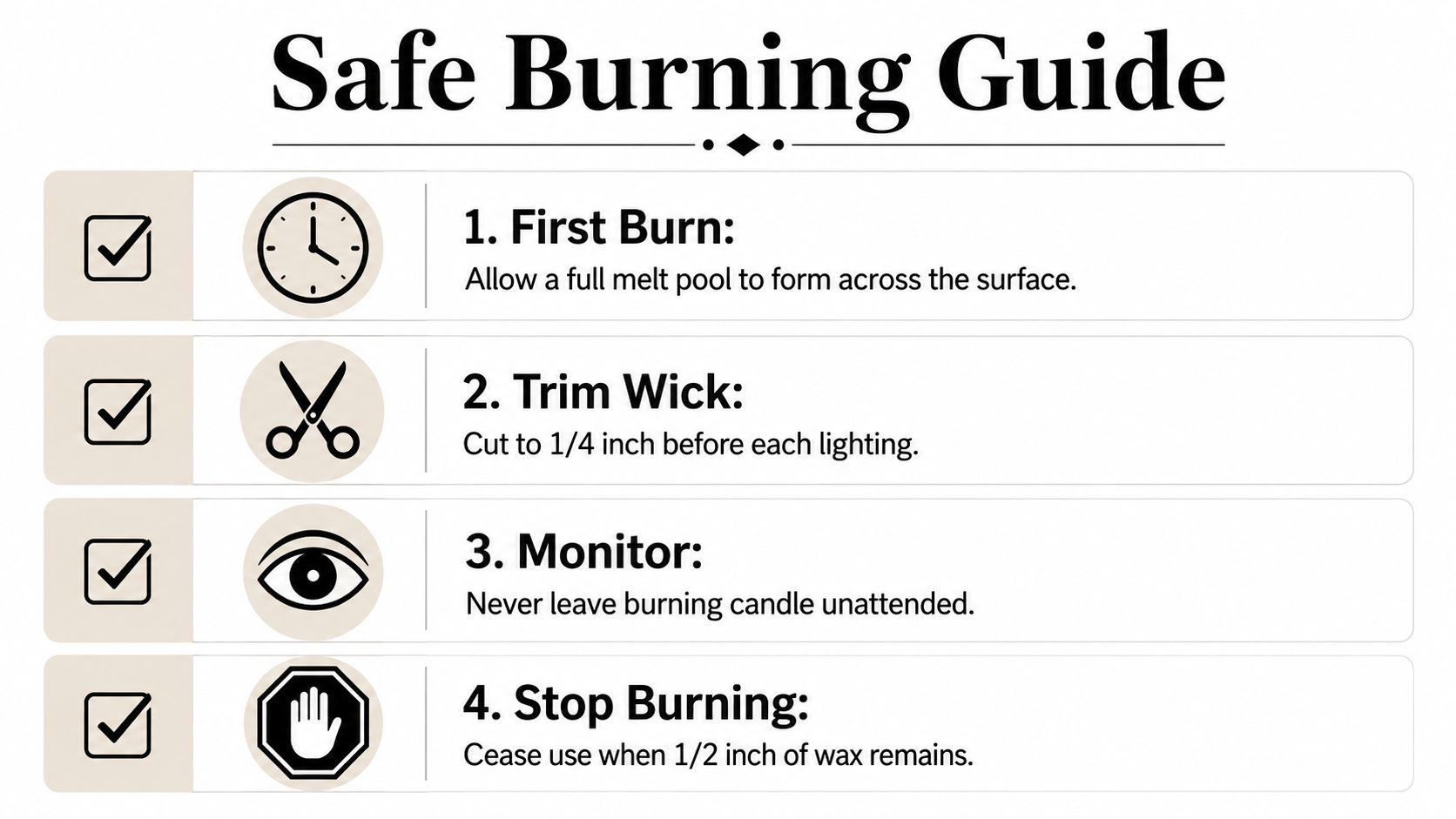
Jackpot Candles publishes specific safety and burning tips for its jewelry candles. Follow those instructions if they differ from general candle-care advice, especially around the pouch and the recommended stopping point.
A hidden ring isn't automatically valuable jewelry. Some products use costume pieces, and vague language can make it difficult to tell whether a ring is plated, sterling silver, gold, or another material. A trustworthy listing should explain the jewelry clearly before you buy, not rely on the reveal to hide missing information.
Look for the metal type, ring size, care instructions, and any appraisal or verification process. A code on a ring card or package can help connect the revealed item with the brand's records, but you should still understand what the code verifies. It may confirm an assigned retail value without proving that an independent appraiser would reach the same conclusion.
Packaging also matters because the ring should arrive protected from wax and fragrance oils. A sealed pouch, readable instructions, and a clear retrieval process show that the manufacturer has considered the full customer experience rather than only the promotional reveal.
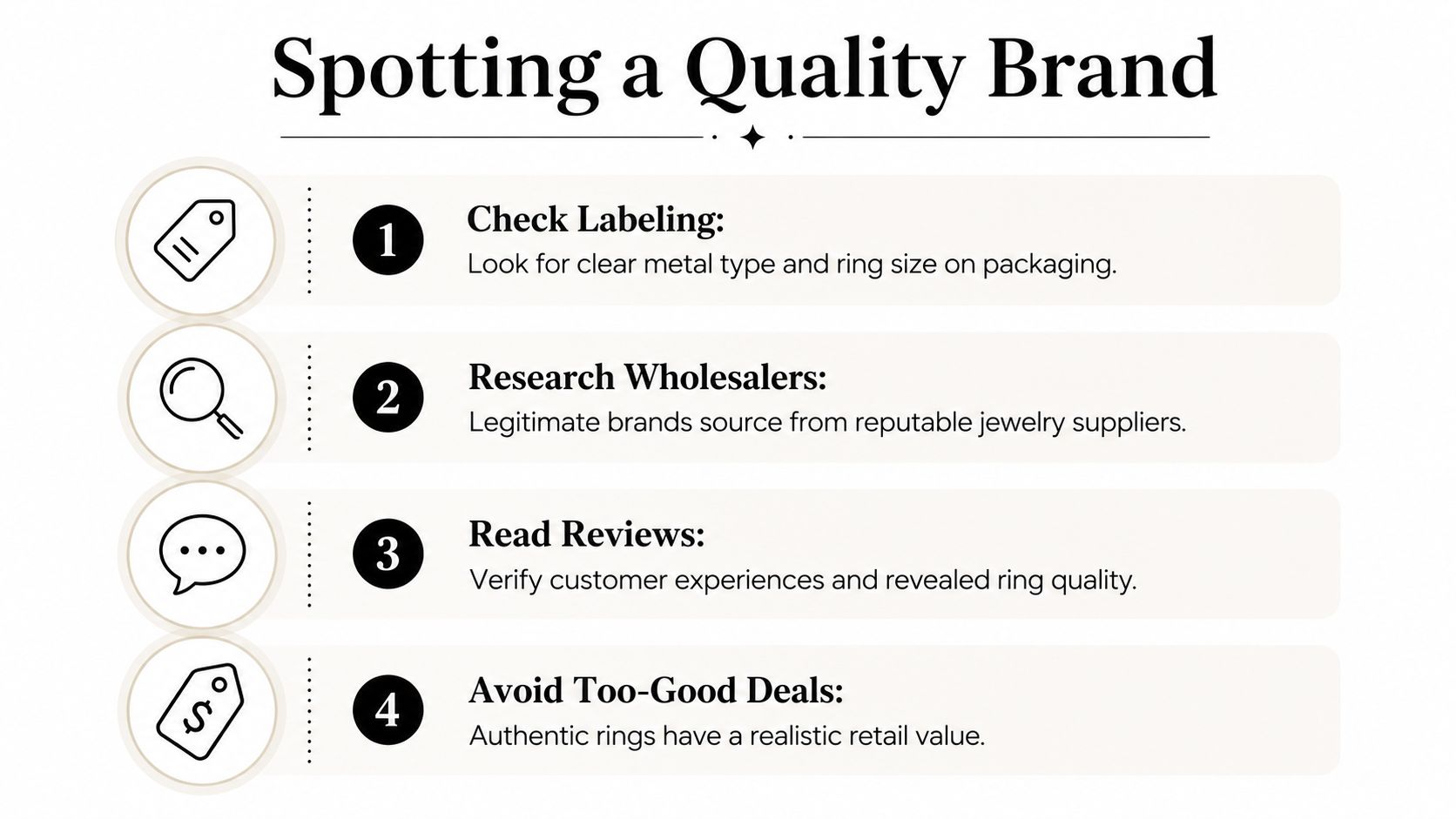
Identical stock images across unrelated listings, missing base-metal disclosures, and promises that sound too broad should make you cautious. Jackpot Candles' guide to identifying counterfeit products offers another useful reference point when you're comparing listings and packaging.
The meaningful comparison isn't only the ring's headline value. Buyers should compare the wax formula, fragrance development, reveal instructions, verification process, and documentation because those details determine what happens before and after the jewelry appears.
Jackpot Candles describes its candles as using a proprietary soy wax blend rather than a traditional paraffin formula. The publisher also says the blend is intended to provide a cleaner, slower, longer-lasting burn with minimal soot and strong fragrance release. Those are brand claims, so shoppers should judge the actual product through its instructions, burn behavior, scent performance, and customer feedback rather than treating marketing language as independent testing.
The company also describes named fragrance lines made with exclusive, perfume-grade fragrance oils. That approach positions the candle as a scented home product first, instead of a plain wax container built only around the surprise. Fragrance preference remains personal, though. A powerful scent can be appealing to one buyer and too noticeable to another.
| Attribute | Jackpot Candles | Typical Jewelry Candle |
|---|---|---|
| Wax | Proprietary soy wax blend, according to the publisher | May use soy, paraffin, or another wax blend |
| Fragrance | Named fragrance lines and perfume-grade oils, according to the publisher | Scent quality and formulation vary by brand |
| Ring range | Product information describes values from $15 to $5,000 | Prize ranges may be narrower, broader, or undisclosed |
| Verification | An appraisal page allows customers to enter a code from the ring tag | Verification may be absent or handled through packaging |
| Documentation | Ring cards can identify metal type and approximate value | Information varies widely |
| Reveal | Foil-wrapped pouch is exposed during the burn, then removed | Retrieval method depends on the product design |
| Presentation | Branded packaging and an unboxing ritual | Packaging quality differs across sellers |
The app and registration process add another layer to the purchase. According to the publisher information, buyers can register the candle before burning, verify authenticity, and track the tier received. That can make the reveal easier to document, but it doesn't replace basic checks of metal markings, fit, finish, and condition.
The practical distinction is transparency. A brand that explains how the pouch appears, what the ring card means, and how the value is assigned gives buyers more tools to judge the purchase. No verification system turns every surprise ring into an investment, but clear records reduce confusion.
The answer depends on what you want the purchase to do. If you want a specific ring in a known metal and size, buying jewelry directly is usually more predictable. A specialty jeweler can show you the exact item, while a source for same-day lab-grown diamond rings may suit someone who wants a confirmed diamond ring rather than an unknown reveal.
A ring in the candle offers a different kind of value. You receive a candle you can use, a fragrance experience, and a delayed surprise. The ring may be a low-cost plated piece, a sterling silver design, or a higher-value item, but the outcome isn't the same as selecting jewelry from a display case.
Gift-givers often choose this format because the recipient receives an activity as well as an object. The unboxing, lighting, waiting, and reveal create several moments instead of one immediate handoff.
Candle enthusiasts may appreciate the format if the fragrance and burn quality meet their expectations. They should read the scent description and care instructions first, because the jewelry doesn't compensate for a fragrance they dislike.
Curious first-time buyers can make a sensible trial purchase by treating the candle as the primary product and the ring as an extra. That mindset keeps the possible outcome enjoyable without assuming a top-tier prize.
Avoid the category if you need guaranteed jewelry value, dislike uncertainty, have strong metal sensitivities that the brand doesn't address, or don't want to wait for a controlled burn and reveal. A buyer who wants a particular ring should spend the budget on that ring directly.
Use this short decision check:
For the right buyer, the return comes from the combined experience, not from an expectation of profit. A ring in the candle is worth considering when you want a usable scented candle plus a controlled surprise, and when the brand gives you enough information to judge the risks. It isn't the right choice when you need a specific, independently verified piece of jewelry.
Jackpot Candles offers scented candles with a hidden jewelry reveal, protective packaging, and product information designed to help buyers understand the ring they receive. If you want to compare fragrances and explore the candle experience described here, visit Jackpot Candles and review the burn and reveal instructions before choosing.
Comments will be approved before showing up.