
free shipping at $99


In a world saturated with digital ads, brands that create tangible, memorable moments are the ones that win hearts, minds, and loyalty. Experiential marketing isn't just about hosting an event; it's about crafting an immersive universe where customers can see, touch, and feel your brand's story. This approach transforms passive consumers into active participants and passionate advocates. By moving beyond the screen, brands can forge deeper, more authentic connections that static advertisements simply cannot replicate.
This shift from passive observation to active participation is the core of effective brand building today. Creating these multisensory moments requires a strategic blend of creativity, logistics, and audience understanding. To truly understand the power of engaging audiences in memorable ways, delve deeper into mastering event and experiential marketing to lay a foundational knowledge for these campaigns.
This article provides a curated look at powerful experiential marketing examples from leading global brands. We will explore a wide range of tactics, including:
We'll break down not just what they did, but the strategic 'why' behind their success. More importantly, we'll translate these big-budget ideas into actionable takeaways you can adapt—even for a niche brand like Jackpot Candles—to create your own unforgettable experiences centered on discovery, scent, and surprise. Let's dive into the examples that demonstrate how to build a brand one memorable moment at a time.
Pop-up stores are temporary, physical retail spaces that appear in unexpected or high-traffic locations for a short period. This form of experiential marketing creates a sense of urgency and exclusivity, driving immediate consumer interest. Unlike traditional retail, pop-ups are less about sales volume and more about generating buzz, testing new markets, and creating deep, memorable brand interactions in a controlled, immersive environment.
A prime example is IKEA's "Play Café" in Toronto, which featured interactive kitchen showrooms and served its famous Swedish meatballs. This wasn't just a store; it was a destination that allowed customers to touch, feel, and imagine IKEA products in a fun, low-pressure setting. Similarly, Nike frequently launches pop-up basketball courts in urban areas to connect with local communities and reinforce its brand identity around sport and performance.
Pop-ups are powerful because they transform shopping from a transaction into an event. They leverage the psychological principles of scarcity and FOMO (Fear Of Missing Out), compelling customers to visit before the opportunity disappears.
Key Insight: By operating outside the confines of a permanent storefront, brands can be more creative and daring. They can design a space purely focused on a single campaign or product launch, ensuring every detail, from scent to lighting, aligns with the intended brand story. This controlled immersion is one of the most effective experiential marketing examples for building brand affinity.
Brand activation events are large-scale, interactive experiences embedded within bigger gatherings like festivals, concerts, or sporting events. Rather than simply placing a logo on a banner, brands build immersive worlds-within-worlds, allowing consumers to engage with their products and values in a high-energy, entertaining setting that fosters deep emotional connections.
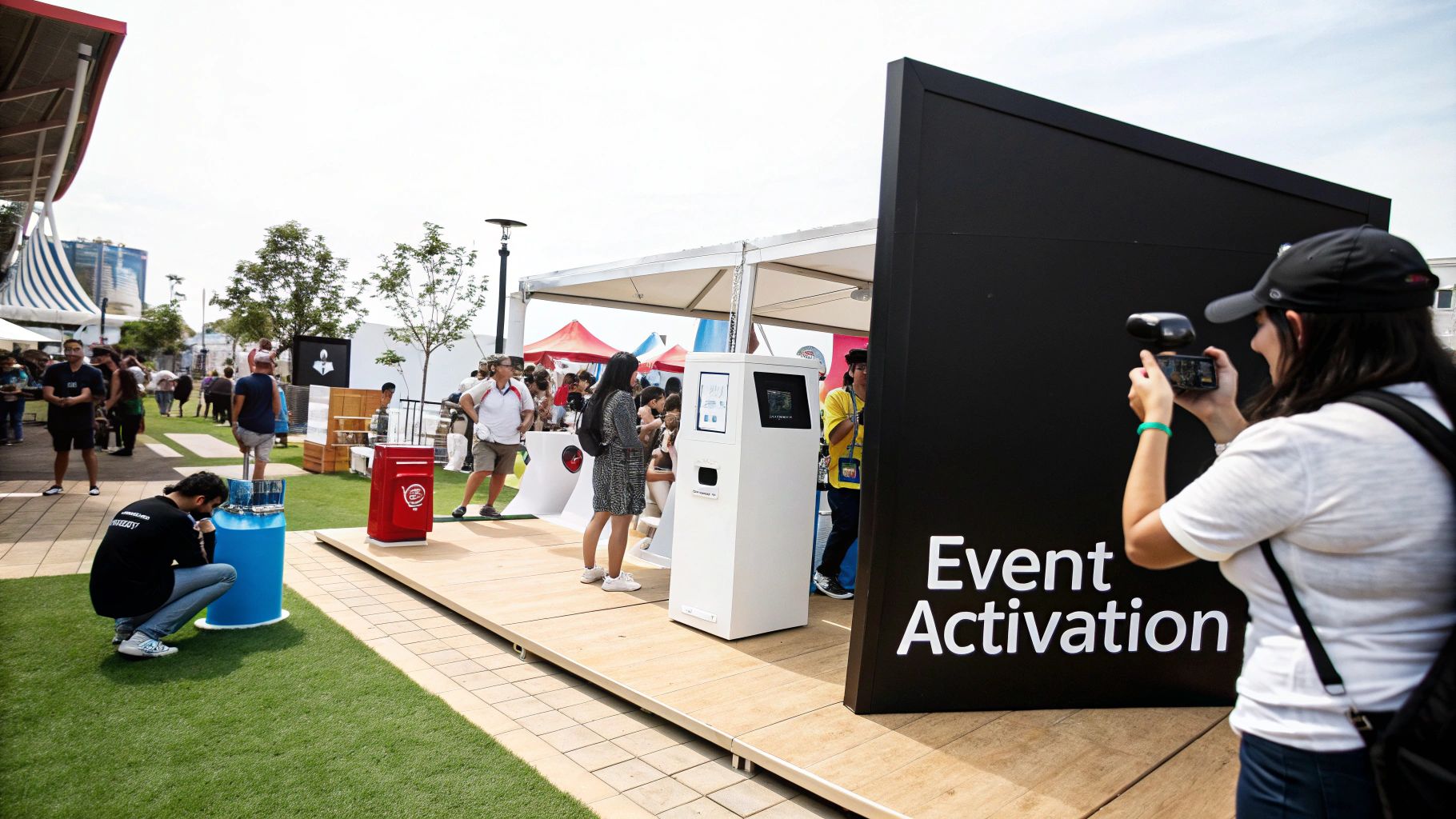
A classic example is Red Bull's sponsorship of extreme sports events like Rampage, where the brand isn't just a sponsor but the creator of the entire experience, fundamentally linking its identity with adrenaline and peak performance. Similarly, Spotify creates highly sought-after listening parties and secret concerts at festivals like SXSW, offering fans exclusive access and reinforcing its role as a key player in music discovery and culture.
These activations are effective because they tap into a captive and emotionally receptive audience. Consumers are already at the event to have fun and create memories, making them more open to brand interactions that enhance their experience rather than interrupt it. The goal is to become an integral, positive part of the attendee's memory of the event itself.
Key Insight: The power of brand activation lies in borrowed equity. By aligning with an event or culture that its target audience already loves, a brand can absorb some of that positive association. It’s a shortcut to building emotional relevance and proving that the brand "gets" its customers on a deeper, more authentic level.
Virtual Reality (VR) and Augmented Reality (AR) are powerful forms of experiential marketing that transport consumers into interactive, digital brand worlds. VR immerses users in a completely simulated environment, while AR overlays digital information onto the real world. Both technologies move beyond passive viewing, allowing customers to actively engage, explore, and visualize products in unprecedented ways.
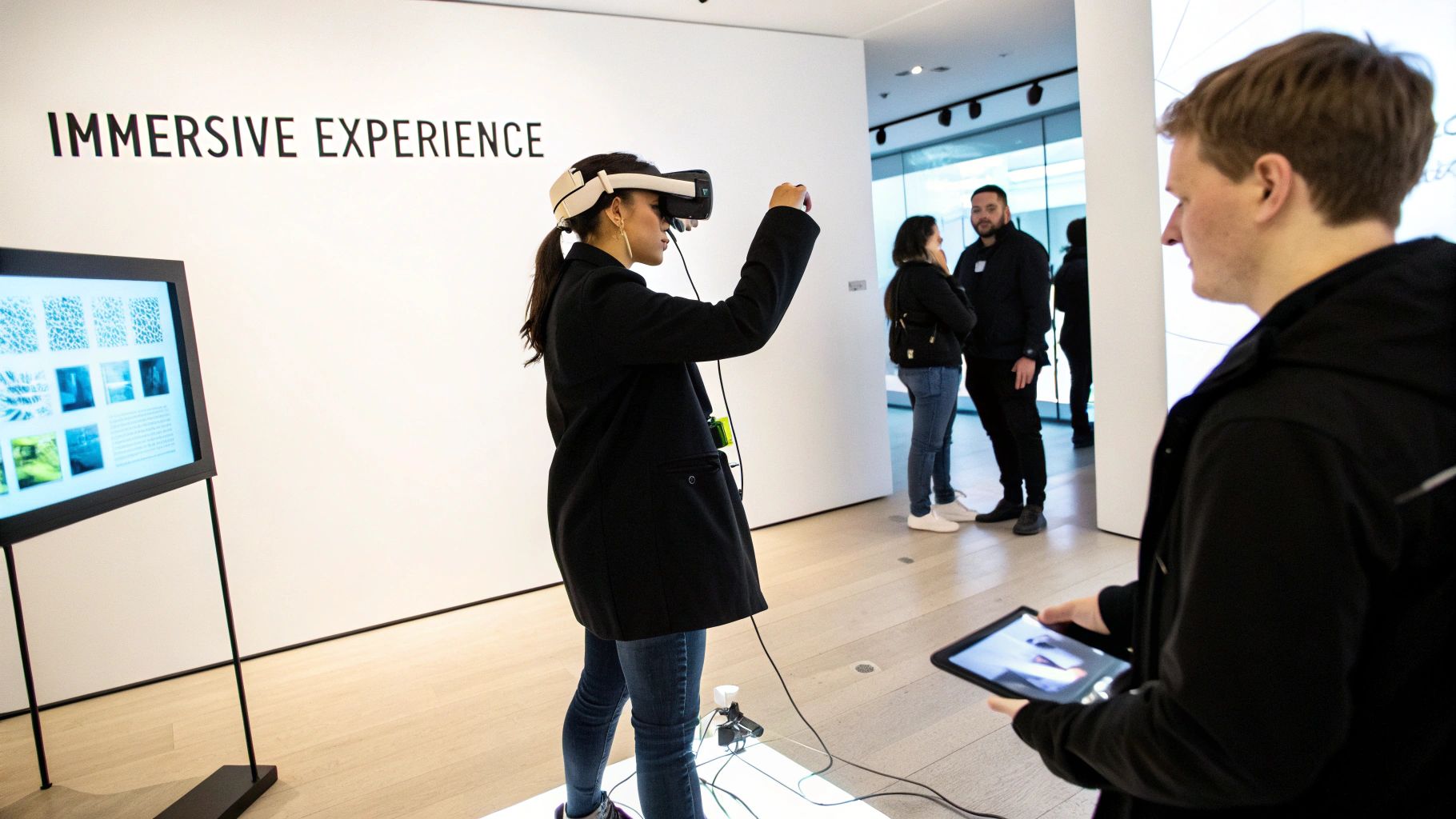
A standout example is the Volvo Reality app, which allowed users to take a virtual test drive of the XC90 using just their smartphone and Google Cardboard. It was one of the most successful VR campaigns of its time, delivering an immersive "first-person" experience of the car's interior and performance. Similarly, IKEA's Place app uses AR to let customers realistically preview furniture in their own homes, bridging the gap between imagination and purchase.
AR and VR excel by removing practical barriers to experience. A customer can test drive a car from their couch or see how a sofa fits their living room without visiting a showroom. This technology taps into the psychological need for visualization and certainty, reducing purchase anxiety and building user confidence by answering the critical question: "How will this fit into my life?"
Key Insight: The true power of VR/AR isn't just the novelty; it's the ability to offer "utility as an experience." By solving a real customer problem (e.g., visualizing a product) in an engaging, futuristic way, brands create a deep sense of value and a memorable interaction that feels both helpful and magical.
Flash mobs are meticulously choreographed public performances designed to look spontaneous. This experiential marketing tactic disrupts ordinary life with a burst of unexpected entertainment, capturing public attention and creating highly shareable content. By transforming a mundane space like a train station or public square into a stage, brands generate surprise, delight, and powerful word-of-mouth buzz.
One of the most iconic examples is T-Mobile's "Life's for Sharing" campaign, where hundreds of dancers took over Liverpool Street Station in a coordinated flash mob. The event was captured from multiple angles and quickly became a viral video sensation, associating the T-Mobile brand with joy and human connection. Similarly, the musical Carrie promoted its Broadway revival with a staged telekinetic event in a coffee shop, creating a shocking and unforgettable brand moment.
Flash mobs and street performances capitalize on the element of surprise and spectacle. They interrupt the daily routine, making them inherently memorable and compelling to watch and share. The performance feels like a genuine, organic event, which builds positive brand sentiment without an overt sales pitch.
Key Insight: The true value of a flash mob isn't just the live audience; it's the high-quality video content it produces. A well-executed performance is engineered for virality, turning a one-time local event into a global marketing asset that generates views, shares, and brand conversations long after the performance ends.
Interactive installations blur the line between art, commerce, and entertainment by creating permanent or semi-permanent spaces that consumers can physically engage with. This form of experiential marketing turns a brand's message into a tangible, multi-sensory journey, generating highly shareable, "Instagram-worthy" moments that drive organic reach and position the brand as a cultural tastemaker.
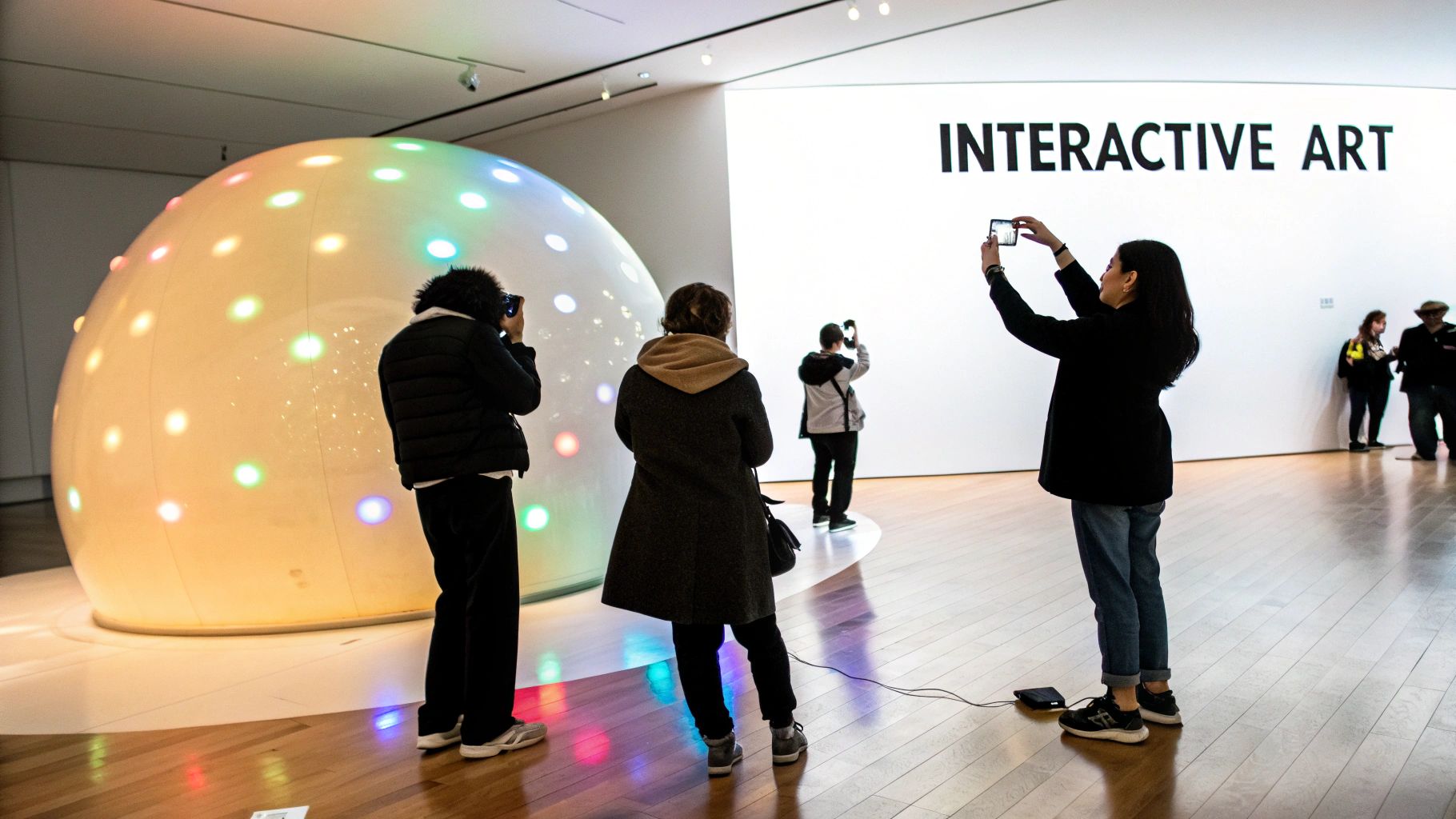
Iconic examples include the wildly popular Museum of Ice Cream, with its signature sprinkle pool, and Refinery29's 29Rooms, a maze of individually themed, interactive rooms. These activations are not advertisements; they are destinations. They succeed by offering pure, unadulterated fun and visual splendor, allowing the brand to build positive associations and connect with consumers on an emotional, rather than transactional, level.
These installations capitalize on the "experience economy," where consumers increasingly value doing things over owning things. The core strategy is to create an environment so visually compelling and engaging that visitors become brand advocates by sharing their experience on social media. It transforms marketing into a desirable cultural event.
Key Insight: The most effective interactive installations give consumers a starring role in the brand's story. By designing for the camera and encouraging user-generated content, brands essentially outsource their content creation to an enthusiastic audience, creating a powerful and authentic ripple effect of organic promotion.
Experiential food and beverage pop-ups create temporary dining experiences or tasting events that immerse consumers in a brand’s world through taste, smell, and presentation. This multi-sensory approach transforms passive consumption into an active, memorable event, allowing brands to showcase their products in new and innovative culinary formats. It’s about associating the brand with pleasure, community, and discovery.
A powerful example is Heinz's ketchup-themed pop-up diner, which celebrated its iconic product through a fully branded menu and nostalgic decor. Similarly, Starbucks' Reserve Roastery experiences offer an elevated, educational journey into coffee-making, far beyond a typical café visit. These events turn a simple product into the main character of a unique culinary story.
Food and beverage experiences tap into fundamental human desires for connection, novelty, and sensory pleasure. They transform a product from an ingredient or a drink into the centerpiece of a shareable social gathering, generating powerful emotional associations and organic social media buzz.
Key Insight: By creating a unique culinary event, a brand can control the entire sensory environment. This allows them to tell a deeper story about quality, heritage, or innovation that a standard advertisement cannot convey. The exclusive, time-limited nature of the pop-up also creates a powerful sense of urgency.
Branded retreats and workshops take experiential marketing to a new level by creating multi-day, immersive gatherings focused on education, wellness, or shared passions. These events go beyond a single touchpoint, fostering a powerful sense of community and brand loyalty through extended, personal interaction. By centering activities around core brand values, companies can transform consumers into dedicated advocates.
A classic example is Patagonia's outdoor education workshops, where participants learn skills like fly-fishing or rock climbing, deepening their connection to both nature and the brand's ethos. Similarly, Lululemon hosts wellness retreats that combine yoga, meditation, and personal development, fully immersing attendees in the lifestyle their products represent. These events are less about direct sales and more about building a tribe around shared values.
Retreats and workshops are the ultimate form of community building, shifting the brand-consumer dynamic from transactional to relational. They tap into the human desire for connection and personal growth, associating the brand with profound, positive life experiences. This long-form engagement builds unparalleled brand affinity that a single ad or pop-up simply cannot match.
Key Insight: The extended format allows brands to tell a deeper story and demonstrate their values in action, not just words. By facilitating genuine connections among attendees, the brand becomes the host of a meaningful shared memory, creating an emotional bond that is highly resistant to marketing from competitors.
Guerrilla marketing involves unconventional, low-cost tactics that surprise consumers in everyday environments. This approach leverages creativity and the element of surprise to generate a high-impact, memorable brand moment. Unlike large-scale campaigns, its power lies in its originality and ability to create a buzz that spreads organically through word-of-mouth and social media.
A classic example is WWF's campaign placing giant, life-like animal footprints on city streets, leading to a drain, symbolizing species disappearing down the drain. Similarly, Old Spice’s bathroom mirror takeovers, where their iconic spokesman would appear in mirrors, caught people completely off-guard, creating a humorous and shareable moment. These campaigns transform public spaces into a canvas for brand storytelling.
Guerrilla and ambient advertising work by disrupting people's daily routines with a clever, thought-provoking brand interaction. They capitalize on the psychological principle of novelty, where the brain pays more attention to new and unexpected stimuli. This disruption creates a powerful memory anchor, linking the brand to a moment of surprise and delight.
Key Insight: The goal isn't mass reach at the moment of execution; it's creating an experience so unique that it becomes content. The real ROI comes from the photos, videos, and stories shared online, turning a small-scale physical activation into a large-scale digital conversation.
Branded fitness classes and community challenges integrate a brand directly into the wellness routines of its target audience. This form of experiential marketing goes beyond a one-time event, fostering a dedicated community through recurring, health-focused activities. By sponsoring or hosting workouts, running clubs, or digital challenges, brands create consistent, positive touchpoints that associate their identity with personal achievement, health, and community.
Leading examples include Lululemon's complimentary in-store yoga classes, which transform retail spaces into wellness hubs and reinforce its premium athletic apparel brand. Similarly, Nike’s global running clubs (Nike Run Club) build tight-knit local communities of athletes who train together, share progress, and embody the "Just Do It" ethos, creating powerful brand loyalty that a simple advertisement could never achieve.
This strategy excels by embedding the brand into a consumer’s lifestyle and personal identity. It shifts the brand-consumer relationship from transactional to one of shared values and mutual support. It leverages the psychological principle of commitment and consistency, where participants who regularly engage with the brand's activities develop a deeper, more personal loyalty.
Key Insight: These experiences generate authentic user-generated content and build a powerful, self-sustaining community. When people sweat together and cheer each other on under a brand's banner, the brand becomes the facilitator of genuine human connection and personal growth, which is one of the most effective experiential marketing examples for long-term loyalty.
Live streaming and virtual events are real-time digital experiences where brands host performances, product launches, or interactive workshops for a remote audience. This approach to experiential marketing breaks down geographical barriers, making exclusive events accessible to a global audience while fostering a sense of community and immediate engagement through live interaction.
A landmark example is Travis Scott's concert within the video game Fortnite, which attracted over 12 million concurrent players into a shared, surreal musical journey. Similarly, Sephora uses live streams to host real-time beauty tutorials with experts, allowing viewers to ask questions and purchase featured products directly. These events transform passive viewing into active participation, creating a powerful, shared brand moment online.
Virtual events thrive by creating a sense of collective presence and real-time interaction. They tap into the same community-driven energy as an in-person event but on a much larger, more accessible scale. The live format creates urgency, while interactive features like live chats and polls make the audience feel seen and involved.
Key Insight: The true power of virtual events isn't just broadcasting content; it's facilitating a two-way conversation. When a viewer's comment is read aloud or their question is answered live, it creates a personal connection that deepens brand loyalty and transforms passive followers into active community members.
| Activation | 🔄 Implementation Complexity | ⚡ Resource Requirements | ⭐ Expected Outcomes / 📊 Impact | Ideal Use Cases | 💡 Key Advantage (Tip) |
|---|---|---|---|---|---|
| Pop-Up Stores and Temporary Retail Experiences | High — site, permits, staging | Medium — space rental, staff, curated inventory | High local buzz and short-term sales; measurable feedback | Market tests, product drops, seasonal campaigns | Creates FOMO and shareable moments — choose high-foot-traffic sites |
| Brand Activation Events and Sponsorships | Very High — production & coordination | Very High — venue, talent, AV, staffing | Very high reach, strong emotional associations, earned media | Festivals, sports, large launches, brand partnerships | Builds community at scale — align events with target demographics |
| Immersive Virtual & Augmented Reality Experiences | High — dev, UX, testing | High — developers, hardware, software | Highly memorable and shareable; detailed engagement metrics | Product demos, scalable remote experiences, storytelling | Innovative demos; ensure intuitive UX and robust testing |
| Flash Mobs & Street Performances | Medium — choreography, logistics, permits | Low–Medium — performers, filming crew | High viral potential but ROI hard to quantify | Viral stunts, guerrilla awareness boosts | Cost-effective virality — plan multi-camera capture and seeding |
| Interactive Installations & Art Experiences | Medium–High — design, fabrication, maintenance | Medium–High — artists, tech, space | Sustained engagement, strong organic social content | Cultural positioning, gallery/retail tie-ins | Positions brand as tastemaker — refresh seasonally and partner locally |
| Experiential Food & Beverage Pop‑Ups | Medium — F&B regs, logistics | Medium — chefs, supplies, permits | Strong sensory memory, drives trial and influencer coverage | Product sampling, culinary collabs, premium launches | High sensory impact — require reservations and document preparation |
| Branded Retreats & Workshops | Very High — multi-day logistics | High — venues, instructors, accommodations | Deep loyalty, high advocacy, extended engagement metrics | Community building, premium experiences, education | Creates long-term advocates — continue community digitally post-event |
| Guerrilla Marketing & Ambient Advertising | Low–Medium — creative exec, legal checks | Low — creative materials; variable for scale | High viral upside but reach unpredictable; possible controversy | Low-budget awareness, disruptive stunts, timely campaigns | Extremely cost-effective creativity — always verify permits and local laws |
| Branded Fitness Classes & Community Challenges | Medium — consistency, safety, scheduling | Low–Medium — instructors, venues, app integration | Habitual engagement, strong community growth over time | Wellness brands, recurring local programs, brand retention | Builds routine touchpoints — hire certified instructors and reward participation |
| Live Streaming & Virtual Events | Medium — production quality and tech | Low–High — depends on scale (tech, hosts, production) | High global reach, trackable engagement, archivable content | Product launches, tutorials, global performances | Scalable and cost-efficient — test tech, promote widely, repurpose content |
From massive immersive installations like HBO's Westworld activation to clever guerrilla stunts like TNT's "Push to Add Drama," the experiential marketing examples we've explored share a powerful, unifying principle. They don't just tell consumers about a brand; they invite them to step inside its world, become part of its story, and create a personal, tangible memory. This is the fundamental shift from passive advertising to active engagement, a transition crucial for building authentic brand loyalty in today's crowded marketplace.
The core lesson is that successful experiences are not built on budget alone. They are built on a deep, empathetic understanding of the target audience. They answer the question, "What value can we provide beyond our product?" The answer could be entertainment, education, community connection, or a moment of pure, unexpected delight. For a brand like Jackpot Candles, the product itself is already an experience, a miniature treasure hunt culminating in a delightful sensory reward and a jewelry reveal. The task of marketing, then, is to take that core feeling and amplify it, bringing it into the physical world where it can be shared.
As you reflect on these diverse campaigns, several strategic pillars stand out. Mastering these concepts is the key to transforming a simple promotion into a lasting brand moment.
Emotional Resonance Over Information: The most impactful experiences prioritize feeling over features. Lean Cuisine's #WeighThis campaign didn't talk about calories; it created a powerful, emotional forum for women to redefine their self-worth. Focus on the core emotion you want your audience to feel. Is it excitement, comfort, curiosity, or empowerment? Design every touchpoint to evoke that specific emotion.
The Power of the Tangible: In a digitally saturated world, physical interaction has become a premium. Red Bull's Flugtag and Stratos events are legendary because they create real-world spectacles that feel larger than life. Think about how you can engage the five senses. For a scent-based brand, this is a natural advantage. A "Scent Discovery" lab or a pop-up where customers can physically unearth their own "jackpot" creates a far more potent memory than a digital ad.
Designing for Shareability: The best experiential campaigns have a built-in amplification engine. They are visually compelling, inherently social, and give attendees a reason to pull out their phones and share. The Museum of Ice Cream is a masterclass in this, creating a vibrant, photo-ready environment at every turn. Always ask: "What is the 'Instagrammable moment' here?" Make it easy and desirable for your audience to become your brand storytellers.
Moving from inspiration to implementation can feel daunting, but it doesn't require a Super Bowl-sized budget. The key is to start with a focused, strategic approach that aligns with your brand's unique promise.
Define Your "One Thing": What is the single, most important feeling or idea you want your audience to take away? For Jackpot Candles, it's the thrill of the reveal. Every experiential concept should be a direct extension of this core promise.
Start Small and Local: You don't need a nationwide tour. A hyper-local activation can generate significant buzz and provide invaluable learnings. Consider a weekend pop-up in a high-traffic area, a partnership with a local artisan market, or a "treasure hunt" in a beloved community park.
Create a Value Exchange: Ensure your experience offers genuine value. A candle-making workshop provides a new skill. A "Scent & Sip" evening provides a fun social outing. This turns your marketing into a desired event rather than an interruption.
Ultimately, the most profound takeaway from these experiential marketing examples is that modern consumers don't just buy products; they buy into stories, communities, and experiences. By creating moments that are memorable, shareable, and emotionally resonant, you aren't just selling a product. You are building a tribe of advocates who feel a genuine, personal connection to your brand, turning one-time customers into lifelong fans.
Ready to see how a product can be an experience in itself? The thrill of anticipation, the delight of a beautiful fragrance, and the surprise of a jewelry reveal are at the heart of every product from Jackpot Candles. Explore our collection and discover your own hidden treasure today at Jackpot Candles.
Comments will be approved before showing up.